What does your social media strategy look like? Do you even have one? And if so, is it based on data about your audience, the type of content they want, and what the algorithms favor? In this content-rich blog post, we go through the latest trends on our most popular social media platforms — and which types of content work best on each.
What’s Happened Lately?
No social media platform wants to risk losing its users. That’s why it’s more common than not for a feature that successfully attracts new users to one platform to be adopted by others. YouTube Shorts, Snapchat Spotlight, and Instagram Reels are just a few examples of features inspired by TikTok. Now it seems LinkedIn may soon join the trend with short video feeds, plans confirmed in March when a LinkedIn user spotted a beta version of the feed. It will be interesting to see how this new video feed compares to those that have been around and evolving for longer. Will LinkedIn focus more on humor and entertainment to blend in, or will the video feed retain a professional ‘LinkedIn touch’?
Another change in social media is that videos have gotten longer. Both TikTok and Instagram Reels used to have a 15-second limit, but now clips can run over 10 minutes. Will longer videos make a big comeback? But enough about video — other things are happening too. TikTok, for instance, in addition to its photo mode, has added the ability to post images in a carousel, similar to Instagram. Meanwhile, Instagram has launched Threads, which focuses on reading and sharing public conversations and debates — similar to X. But Threads isn’t the only new platform hoping to outshine its half-sibling. Lemon8 is a new platform that seems to combine Pinterest and Instagram — the best of both worlds for a blogger constantly seeking inspiration.
So, does this mean it doesn’t matter where you publish your content, or that you can post the same content across all your channels? Not at all — there is still every reason to develop a social media strategy with clear channel choices and content plans.
Where Do You Find Your Audience?
To know where to publish content, you first need to know who is actually active on the different platforms. According to the latest report from Svenskarna och internet, the 2023 distribution in Sweden looked like this:
- People born in the 2010s mainly use YouTube, Roblox, and Snapchat, followed by TikTok and Instagram.
- People born in the 2000s mainly use YouTube, Snapchat, and TikTok, followed by Instagram and Facebook.
- People born in the 1990s mainly use Facebook and Instagram, followed by YouTube and Snapchat.
- People born between the 1950s and 1980s mainly use Facebook, Instagram, and YouTube.
Even though YouTube is the first choice for people born in the 2000s and 2010s, those born in the 1980s and earlier have stated that they would choose YouTube if they could pick just one. In fact, YouTube is the only platform that ranks in the top three across all generations.
Instagram is also a platform used by almost all internet users today, but mostly by people born in the 1980s, 1990s, and 2000s. The same goes for Facebook, which actually has the highest number of active users — 3 million, to be exact! However, Facebook is mostly used by people born in the 1990s and earlier. Among those born in the 2000s, only a few use it, and as for the 2010s — good luck finding them there. You’ll find them on Snapchat instead, which is also popular among people born in the 2000s and 1990s. TikTok is biggest among those born in the 2010s and 2000s but is growing the fastest of all platforms, and actually shows a rising percentage of users among people born in the 1990s and 1980s.
The Right Type of Content for Your Social Media Strategy
Before refining an idea, ask yourself whether your content should inspire, entertain, spark discussion, attract new followers, or inform. Each platform has different content types that perform well. In short, TikTok is best suited for short videos, challenges, and storytelling. Instagram is also good for short videos, but unlike TikTok, it is more established for visually appealing images and Stories.
YouTube, as previously mentioned, has added Shorts, likely to attract some of the bored ‘scrollers’ from TikTok. But YouTube is still primarily used by those watching longer clips. Snapchat, which draws many younger users, is primarily a platform for conversations but is also appreciated for its Stories and filters. People who like to voice their opinions are probably on X, and if you like being recognized for your achievements, LinkedIn is likely where you spend most of your screen time.
Each platform still has its core niche, which largely determines what content performs best. To take full advantage of the algorithms, it’s important that your social media strategy remains flexible, adapting your content to each platform’s recommendations. One general recommendation that applies to most platforms is that vertical formats work best, since the majority of content we consume is through our mobile phones.
Concrete Tips for Creating the Right Content
Alright, are you ready for a deep dive into some of our most popular social media platforms? Keep reading for concrete tips on what type of content works best on each channel.
TikTok — A Viral Opportunity
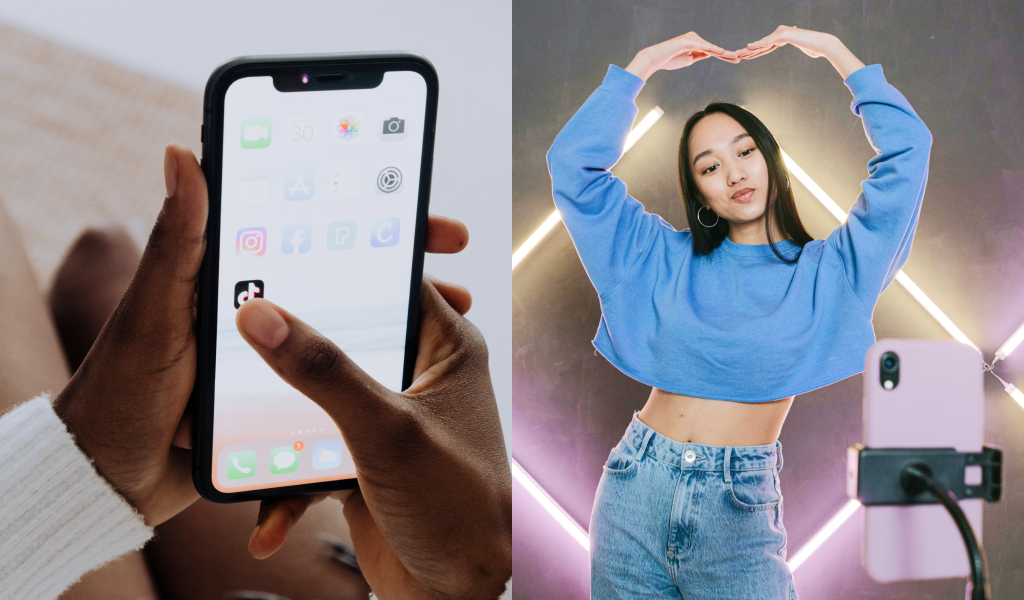
TikTok is known for its ability to make anyone or anything go viral. But to achieve virality, your content needs to be seen and liked by others on the ‘For You’ page. There are a few factors that can help you get there. TikTok favors clips that are filmed and edited directly in the app. However, the editing should either be professional-quality or, paradoxically, at an amateur level. There’s rarely a middle ground. Clips get liked either for the advanced editing or for the raw, authentic feel. The focus should be on what is happening, not how it is presented. You could almost draw a parallel to how the series The Office is filmed — TikTok users like content with a camera constantly in motion, always capturing something interesting regardless of the main focus.
The most important thing, however, is to make viewers stop and want to watch your clip. It doesn’t matter how good your punchline is if you don’t capture their attention immediately. You typically have at most 2 seconds — often less — to be interesting.
The most popular category on TikTok is entertainment. This can include storytelling, comedy clips, or jumping on the latest trends. There are many ways to keep up with trends — too many to mention here, and that deserves a separate post! Dance challenges, fitness, renovations, and fashion are other major content categories that also tend to perform well on TikTok.
Instagram — A Glamorized Everyday Life
Unlike TikTok, Instagram focuses more on organic content, profiles, and influencers. On this platform, you engage more with users you already follow rather than discovering new ones. Of course, you can — and should — use Reels to broaden your audience. One important tip to appear in the Explore feed is to avoid uploading videos longer than 90 seconds. Clips over 90 seconds are not classified as ‘recommended’ according to Instagram’s algorithm and won’t appear in that feed.
Trends, or the culture of copying and challenging, are not as prominent on Instagram, which means you won’t see the same explosive engagement as on TikTok. That’s not to say trends don’t exist on Instagram — they definitely do. But they generally develop more slowly and last longer, which can make it harder to compete with the same content. Something trending on TikTok might not trend or be appreciated as much on Instagram.
On the other hand, Instagram users tend to be more loyal. That’s why it’s important to invest in your profile, as it often carries more weight in the long run. Stories are a very popular feature and perfect for developing your profile. They’re also a great way to link to other websites. You can save your Stories on your profile — a feature Instagram seems unique in offering. Live streaming is also popular and a good way to interact with current followers.
Content that generally performs best on Instagram is entertainment or slightly polished, but also everyday and relatable. Instagram is the platform that loves to inspire.

Facebook — The Seniors’ Favorite
Facebook also favors videos. In fact, video is the best-performing type of content on the platform. Unlike Instagram and TikTok, Facebook is the only major platform with a clear category for text. Even though interest in text has declined, status updates and text blocks remain one of the features that sets Facebook apart at the top. You also have posts that can include an external link to a website, blog, or similar — which is ideal if you want to drive your followers elsewhere.
Events, similar to Instagram Stories, exist on Facebook as well, but they are used less frequently. Reels are also available on Facebook and, just like on Instagram, they’re a great way to reach a wider audience. In general, UGC (user-generated content), behind-the-scenes clips, memes, GIFs, and giveaways perform well here. As on Instagram, most users on this platform are from the ’90s generation, so similar types of content can work well. However, Facebook remains the go-to platform for seniors. Gen Z (those born after 2010) aren’t hanging out here — keep that in mind.
YouTube — The Most Popular Platform?
YouTube is now the second most visited website in the world after Google, and it’s used almost equally by both younger and older audiences. This gives you the opportunity to reach a wide range of age groups. The platform also offers incredible content variety, spanning countless niches and industries. You can scroll through YouTube Shorts’ short video feed, dive into longer clips, or even rent films. So, where do you start? There are plenty of ideas for what content performs best, but generally, successful content falls under entertainment, education, or inspiration.
Many successful channels begin by focusing on a specific topic or theme and creating short series. This gives viewers a reason to either binge-watch all your videos or return to your channel later to catch the next installment.
To spark interest and raise awareness of your channel, it’s smart to post Shorts. The content that tends to perform best here is fun and easy to consume. Avoid overly promotional or purely informative content. Instead, focus on DIY, simple how-to videos, serialized stories/short films, unboxings, renovations, behind-the-scenes clips, or humor — for example, “fails.” In short, content that entertains viewers or makes them feel productive without requiring more effort than moving their thumbs and neck. The maximum length for Shorts is 90 seconds.
While Shorts are excellent for broad reach, it’s also important to have other content on your channel that gives viewers a reason to return or subscribe. Additionally, longer videos are favored on YouTube. For videos over 10 minutes, you can include more ads, which also helps them rank higher in the platform’s recommendations.
Snapchat – a hidden gem
Snapchat often gets dismissed as a platform only for teens, and it might seem like everything here is already done better elsewhere. However, it shouldn’t be underestimated. While most popular among younger users, it’s not entirely unknown to older audiences either. In fact, it’s quite popular among people born in the ’90s. Globally, TikTok is more popular than Snapchat, but in Sweden, Snapchat has more active users. This means there’s a sizable Swedish audience to reach. Most Snapchat users primarily use it to communicate with friends or keep up with others’ social lives.
However, there’s a way to expand your content and engage a wider audience: Snapchat Spotlight – a video feed where clips can reach millions of views. There are specific requirements for content to appear here: videos must have sound, be vertical (9:16), and last between 5 and 60 seconds. Horizontal, blurry, or text-heavy clips are filtered out. Content not filmed with the Snapchat camera can be uploaded, but it’s given lower priority.
When it comes to promotional content, there are extra considerations. Snapchat may not be as effective for broad content distribution like Instagram or TikTok. What Snapchat excels at is interaction, activity, and tone. Organic posts reach your followers directly without being filtered by an algorithm, and generally, Snapchat users engage quickly and tend to watch stories all the way through.
Many celebrities and bloggers use the platform to engage their followers by sharing “a day in their life.” Snapchat is unique in how private and personal a profile can feel. Since the content is always in real-time, it’s especially important for users to check in frequently and follow the stories. This is different from Instagram, where content can be saved in highlights or posted in the feed. Snapchat users are simply much more active. Here, you live in the moment.
LinkedIn – Not Just for Professionals
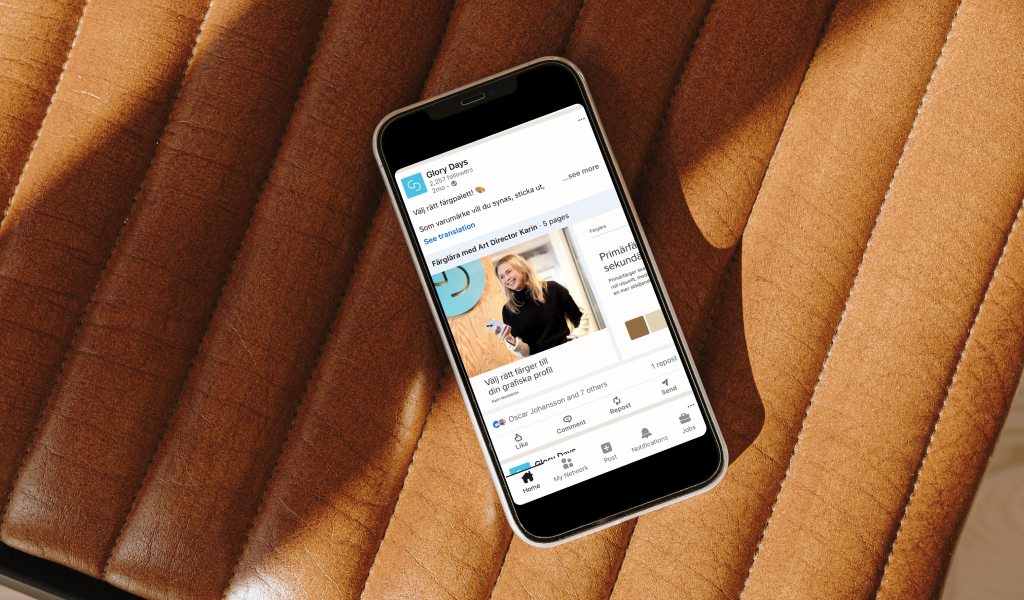
Historically, LinkedIn has been a platform for “professionals” and recruiting, but it has gradually evolved into a space for working professionals and job seekers at large. Here, people want to access valuable tips and insights about their own or others’ industries. Additionally, LinkedIn is increasingly promoting visual content, meaning that content that inspires or entertains will become even more important. Videos, images, polls, interactive PDFs, or events will be key to engaging your followers. However, don’t completely lose the informative or serious side. Balancing humor and factual information is important if you want to engage on LinkedIn. For example, make informative messages less text-heavy by using more visual solutions.
Even though experts are appreciated on the platform, you don’t need to position yourself as one to succeed. What is required, however, is staying updated on industry trends and news related to you or your brand. Share your opinion on a new trend or content you’ve found educational.
Unlike other platforms where humor has always been the highest-performing content category, LinkedIn performs better when your content is educational, motivating, or inspiring. That said, content can still be entertaining, but the main goal shouldn’t be humor or addictive scrolling. There are also signs that users are beginning to appreciate more personal content. It will be interesting to see how LinkedIn develops based on what users value most. But surely we don’t need another platform for memes and dinner plans?
Other Platforms to Keep an Eye On
Popular Platforms: Roblox, Telegram, WhatsApp, WeChat, X, Pinterest, Reddit, Quora, Twitch, Discord, Tumblr, Mastodon, Post, Spill
Up-and-Coming Platforms: Lemon8, Kick, Bluesky, Damus, RTRO, Gowalia
How do I use this in my social media strategy?
Hopefully, you now have a better understanding of where to find your target audience and how our most popular social media platforms can help capture their interest. One thing is certain: a truly effective social media strategy can’t be copied. It’s tailored specifically to your company’s purpose and goals for its digital presence. If it feels tricky to get a handle on, you can always reach out to us—we’ll help you!